
Last updated November 17, 2026
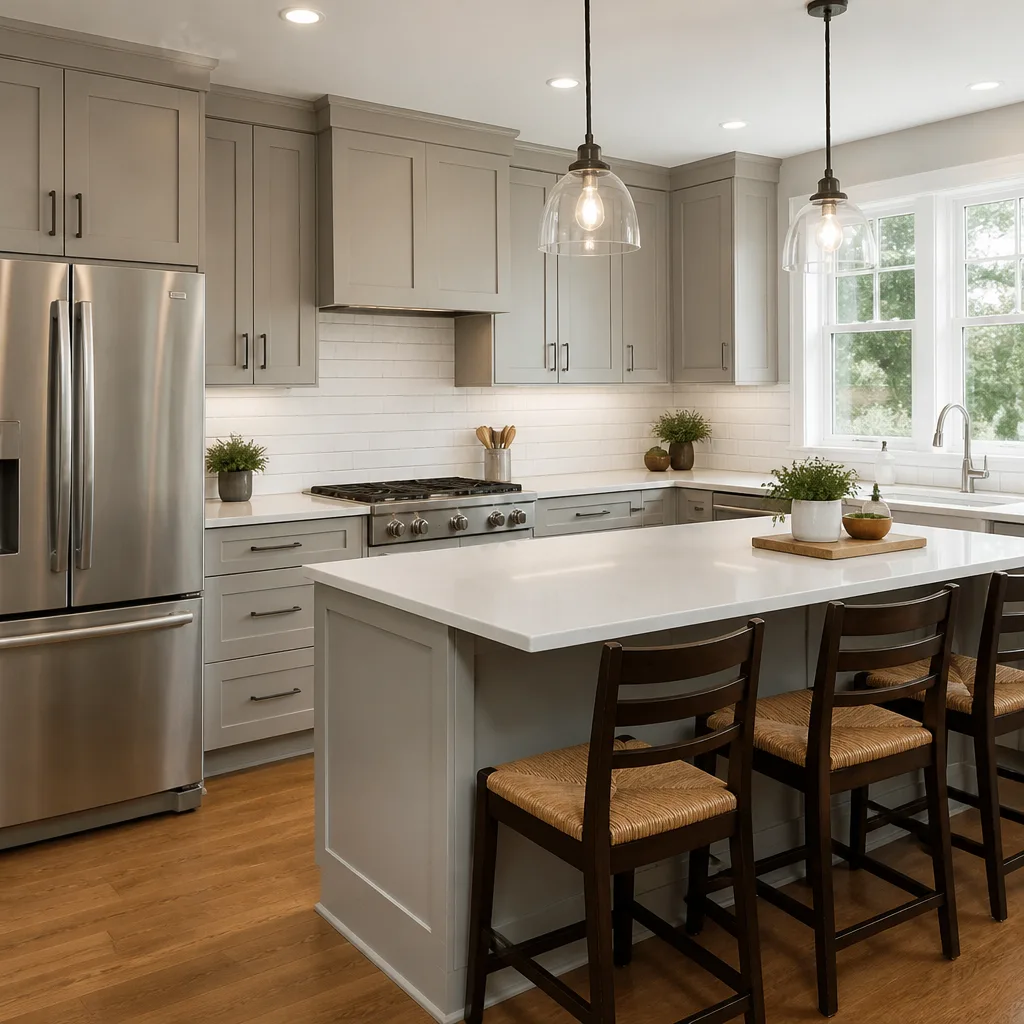 Shaker
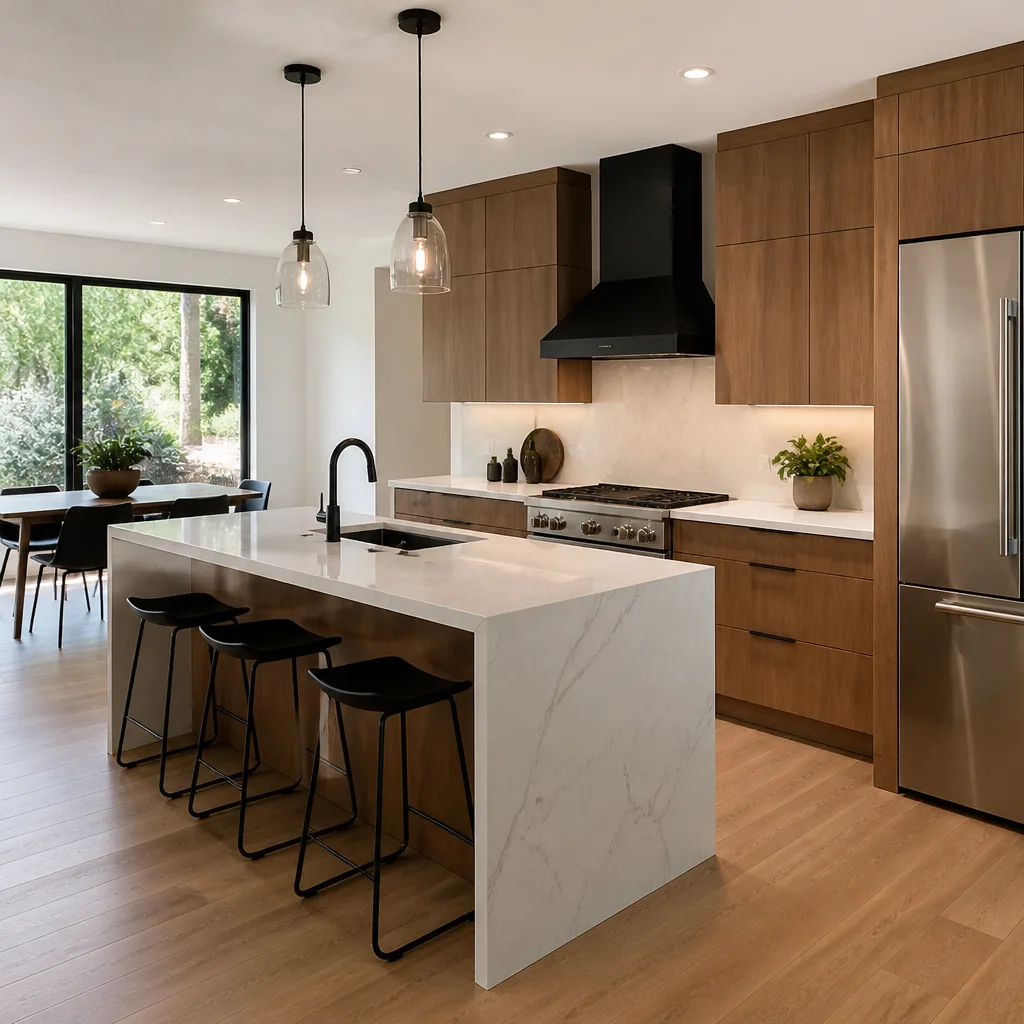 Modern flat-panel
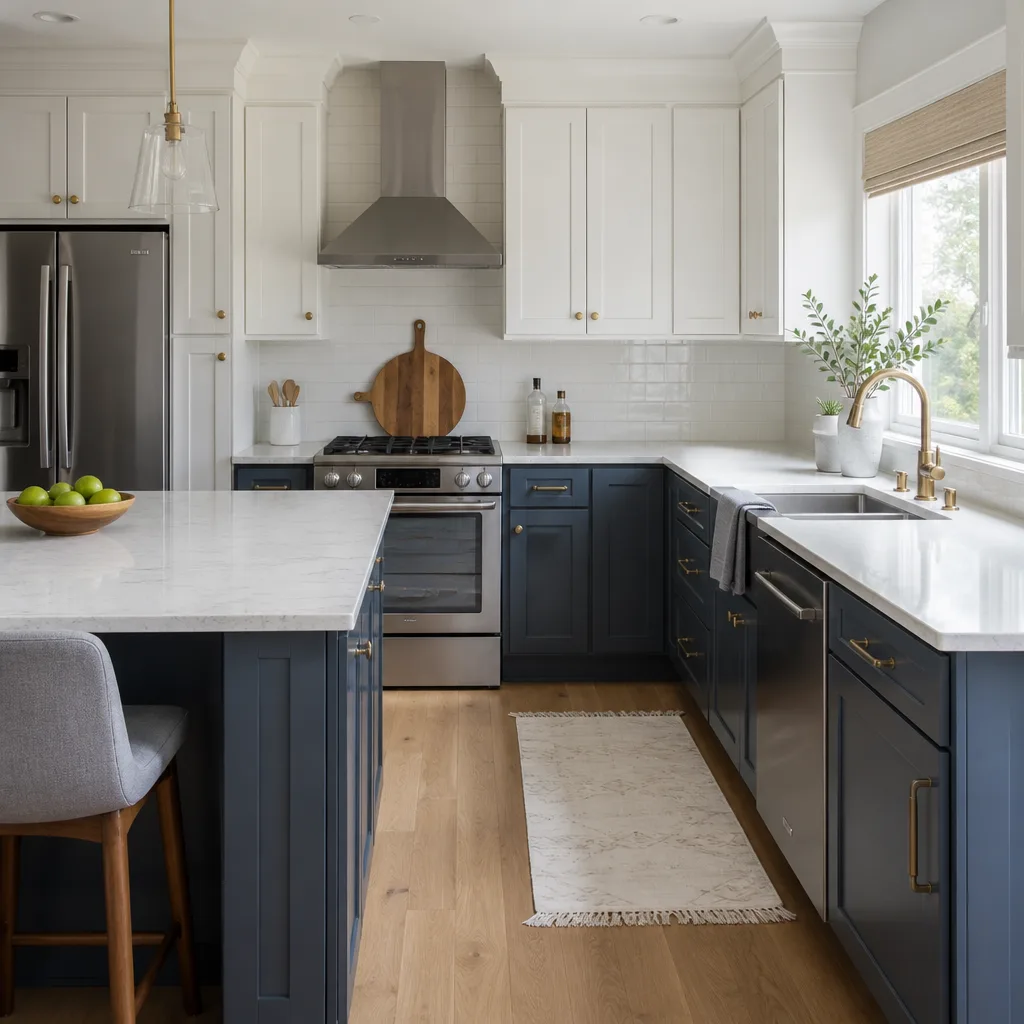 Two-tone cabinets
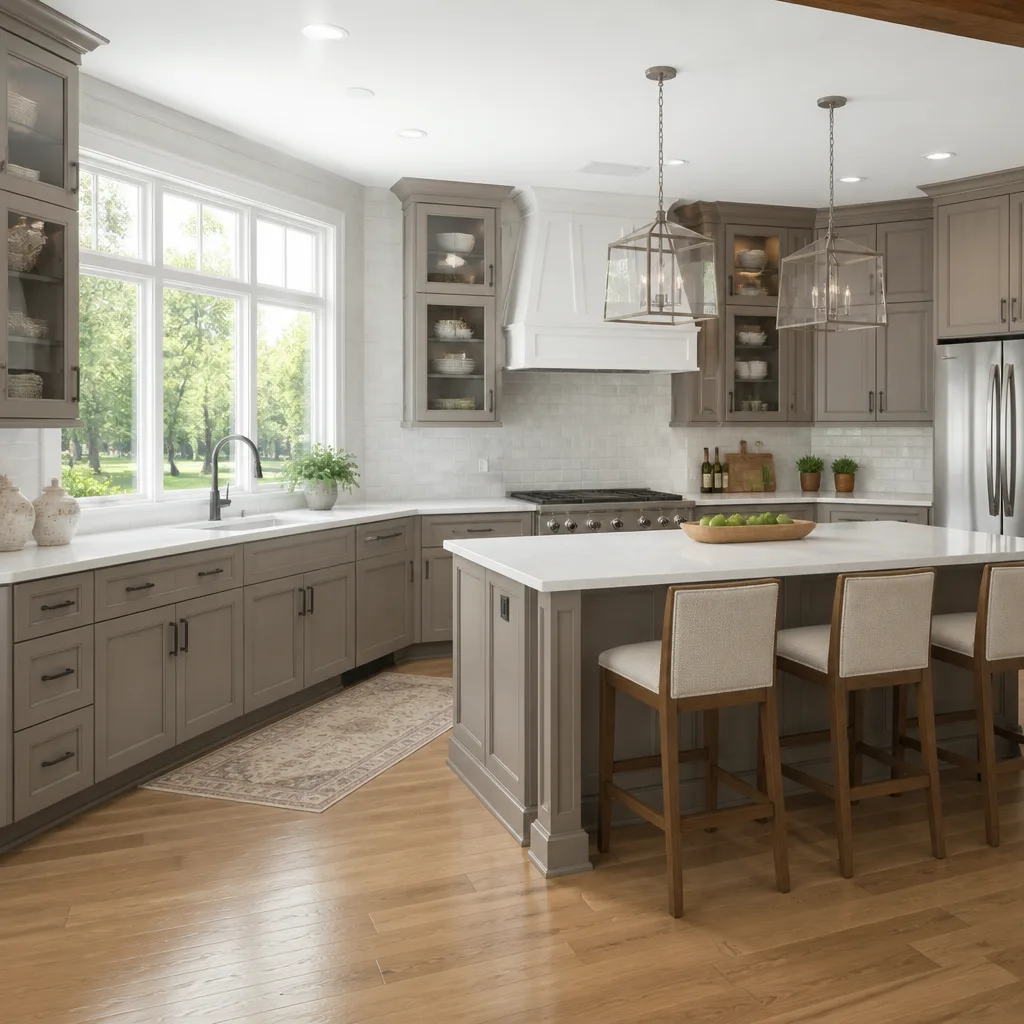 KraftMaid
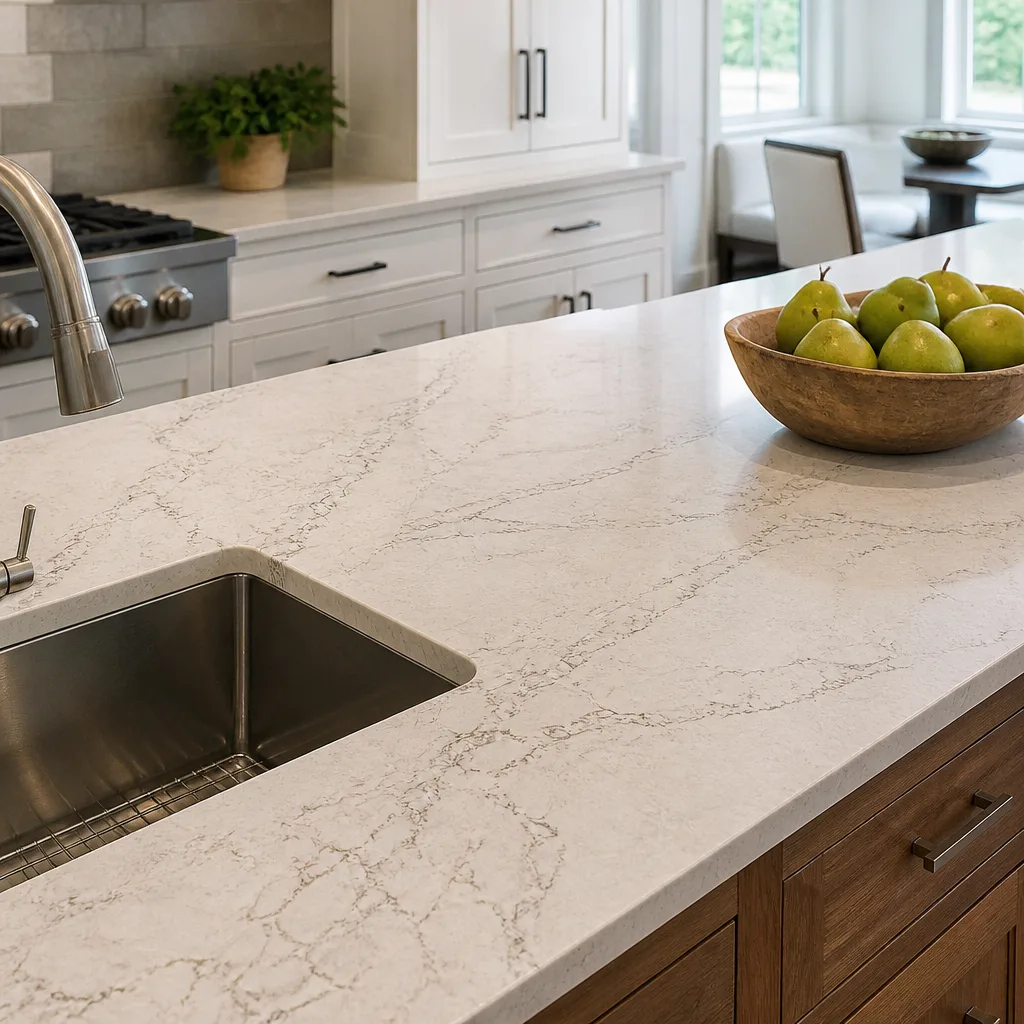 Cambria quartz
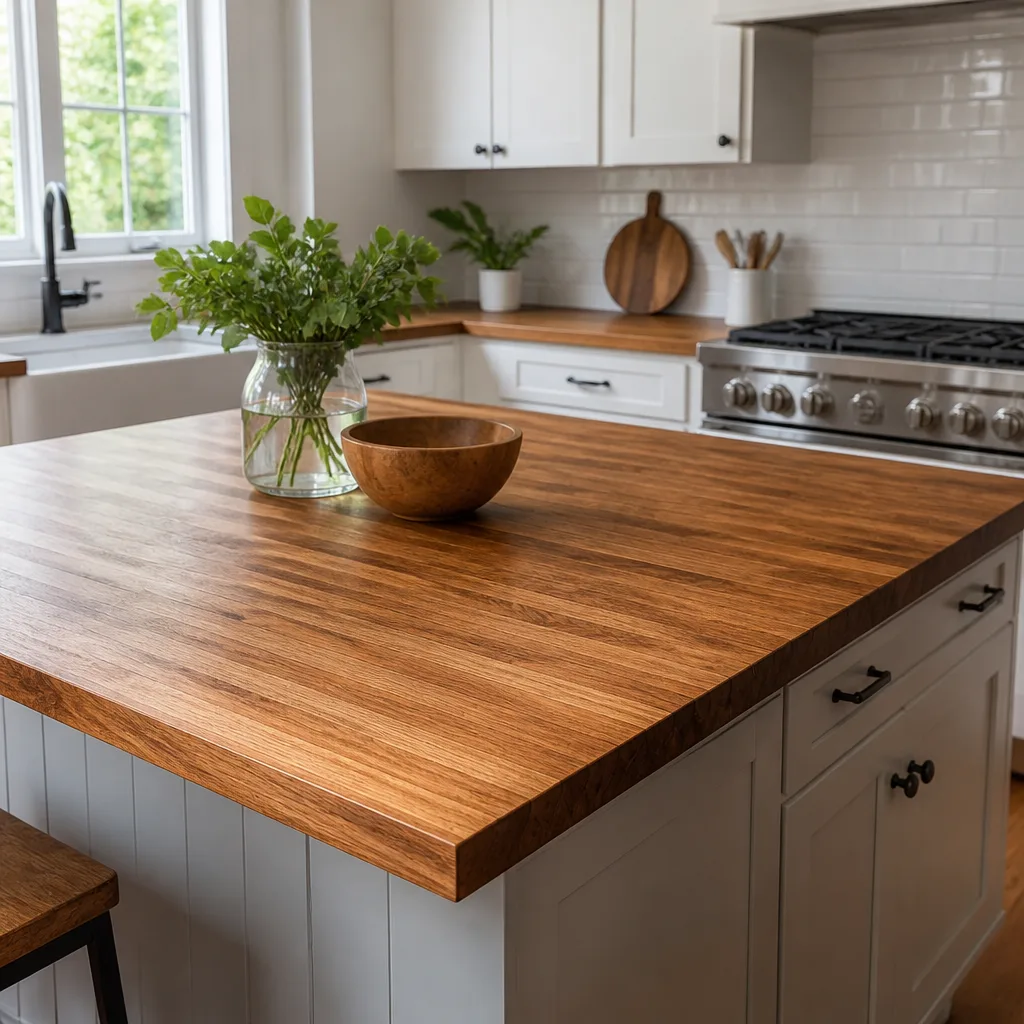 Butcher block
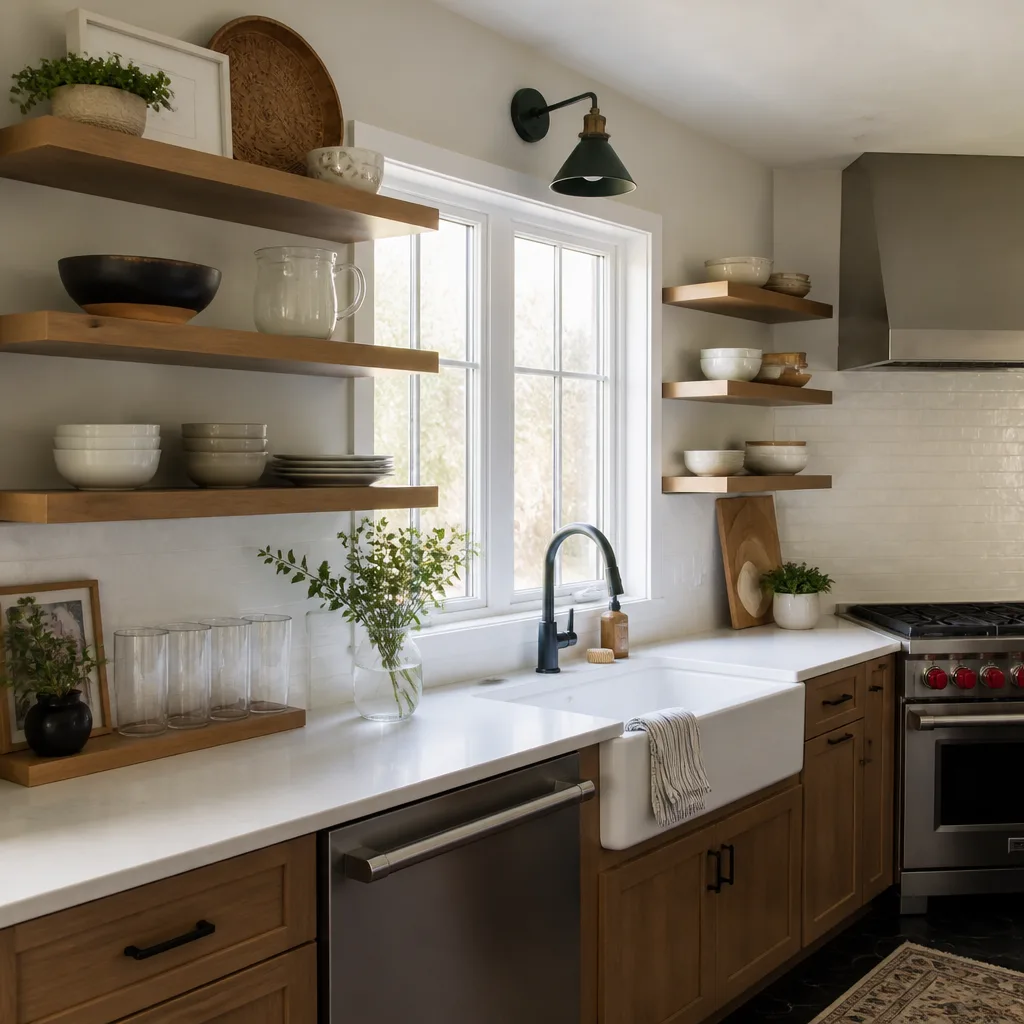 Open shelving
Free design consultation - KraftMaid and Wellborn cabinet lines, Cambria and Silestone surfaces, and every tier from refacing to full custom laid out side by side
Choosing the Right Kitchen Remodeling Brand: A Buyer’s Guide for Enterprise
The cabinet brand your contractor recommends often says more about their dealer relationships than about which product belongs in your kitchen. That’s the uncomfortable truth behind most brand conversations in Enterprise. A showroom’s track lighting makes every door finish look deep and even, and a friendly designer’s recommendation sounds like expertise until you ask what the box is actually made of. Here’s what this guide covers: how cabinet boxes are built and why it matters in a desert climate, how to read finish certifications instead of marketing copy, how quartz brands differ on warranty and slab matching, and the exact questions that separate a product built for daily residential use from one built to photograph well.
Quick Answer
The right kitchen brand for an Enterprise remodel is the one whose construction method, finish certification, and warranty terms match how your household actually uses the kitchen – not the one with the best showroom display. Evaluate cabinet box construction, drawer and hinge hardware, finish testing, and countertop warranty language before you evaluate color. Then confirm the installer has a direct dealer relationship with that brand, because that relationship is what makes the warranty serviceable after installation.
Styles & brands we work with
- Shaker
- Modern flat-panel
- Two-tone cabinets
- KraftMaid
- Cambria quartz
- Butcher block
- Open shelving
Table of Contents
- How cabinet box construction determines longevity in Enterprise
- How to evaluate cabinet finish durability and certifications
- Comparing quartz brands: warranty, thickness, and slab matching
- Why buying through a contractor with a dealer account matters
- Questions to ask any brand showroom
- Fixtures and sinks: the brands that coordinate with your cabinetry
- Why kitchen-only focus beats a generalist remodeler
- A step-by-step way to evaluate a brand and an installer together
How Cabinet Box Construction Determines Longevity in Enterprise
The cabinet box – the carcass behind the door – is where most of your money goes and where most buyers stop looking. Three construction standards dominate the market, and they behave very differently over a decade of daily use. Enterprise sits in a high desert valley where indoor humidity swings between dry winter air and summer cooling-season moisture, and cabinet boxes that tolerate one condition often fail the other.
The three common constructions:
- All-plywood box: Plywood on the sides, back, bottom, and top. Plywood resists moisture movement well and holds screws through repeated loading. This is the construction standard most semi-custom and custom lines build to, including the KraftMaid and Wellborn lines we install.
- Plywood face with particleboard sides: A plywood front frame with engineered particleboard panels elsewhere. Cheaper to produce. Particleboard swells when it takes on moisture and does not fully recover, which shows up as soft spots around hinges and drawer glides.
- All-particleboard box: The budget tier. It can look identical behind a closed door on day one and a very different cabinet in year seven.
Why this matters more in Enterprise than in a humid coastal market: our dry air pulls moisture out of wood products, and our cooling season pushes some back in. A box built with stable plywood panels handles that cycle. A particleboard box that swells at a hinge screw is a door that never hangs straight again, no matter how many times it’s adjusted. When you’re comparing bids, ask each one to state the box material in writing. If the answer is vague, that’s your answer.
How to Evaluate Cabinet Finish Durability and Certifications
Finish is the second thing buyers judge by eye and the first thing that fails in a working kitchen. A finish has to survive steam from a dishwasher, splatter from a cooktop, repeated wiping around handles, and the occasional dropped pan. Marketing language like “premium finish” tells you nothing. Certifications do.
The Kitchen Cabinet Manufacturers Association (KCMA) runs a testing program that puts finished cabinet samples through a defined cycle of heat, cold, moisture, household chemicals, and wear, then checks the finish for damage. A cabinet line carrying KCMA certification has been tested against a published standard rather than a brochure claim. Ask specifically whether the line you’re considering is KCMA-certified, and ask to see the documentation. A brand that has it will produce it without hesitation.
Beyond certification, look at these finish details:
- Finish substrate: How the color is applied – a catalyzed lacquer, conversion varnish, or painted and baked system – affects how it handles moisture and cleaning products differently.
- Edge treatment: Door edges and drawer fronts take the most abuse. A sealed, well-finished edge resists swelling where water sits.
- Sample testing at home: Bring a finish sample into your actual kitchen and hold it under your real lighting for a few days. Desert daylight through west-facing windows reads color very differently than showroom track lighting.
In our experience, the difference between a finish that holds up and one that doesn’t shows up first at the dishwasher panel and the sink cabinet – the two spots with the most moisture. If a brand can tell you how its finish was tested in those conditions, you’re talking to a product team rather than a sales floor.
Comparing Quartz Brands: Warranty, Thickness, and Slab Matching
Quartz countertops come from a handful of major producers, and they are not interchangeable. The three we install – Cambria, Silestone, and Caesarstone – differ in origin, warranty terms, and how reliably you can get a matching slab later. For Enterprise homeowners who plan to sell within a decade, that last point is worth real money. A buyer walking into a kitchen with a chipped island top and no matching material available sees a problem, not a cosmetic flaw.
How the three compare on the criteria that matter:
- Cambria: American-made quartz with a lifetime warranty on the surface for residential use. Broad slab selection and consistent thickness. The domestic supply chain helps when you need a replacement piece for a repair or an island extension.
- Silestone: Mineral-enhanced quartz with a bacteriostatic surface treatment built into the slab. A strong option for households that cook heavily and want an easy-clean surface around prep zones.
- Caesarstone: One of the original engineered quartz producers, with a wide range of finishes and thicknesses. Warranty coverage varies by series, so read the specific terms for the slab you choose.
Here’s the practical test most buyers miss: ask your installer whether the same slab lot or series will be available for a matched replacement in a few years. Quartz patterns vary between production runs, and an island repair using a different lot can look visibly different under a window. A contractor with a direct dealer account can often confirm availability and hold a spare piece at install. That’s a detail worth asking about before you sign.
Why Buying Through a Contractor With a Dealer Account Matters
Buying cabinet and countertop brands through a contractor with a direct dealer relationship is not just about price. It’s about who the manufacturer will talk to when something needs service. A dealer account means the installer works with the brand’s specification tolerances, warranty registration process, and replacement parts channel directly – not through a third party relaying messages.
Here’s what changes when your installer is an authorized dealer rather than a middleman:
- Pricing transparency: A dealer purchases at trade pricing and can pass the difference along in a line-item estimate rather than building hidden markup into a lump sum.
- Warranty registration done correctly: Cabinet and surface warranties require accurate product and installation records. A dealer handles that at install, which keeps the warranty valid if you ever need it.
- Serviceable claims: If a door finish fails or a countertop edge chips, a dealer can open the claim with the manufacturer and get the right replacement part. A homeowner buying online or through a generalist has to navigate that alone.
- Specification accuracy: Dealer installers know each brand’s installation tolerances – cabinet reveal allowances, countertop overhang specs, drawer glide clearances. Getting these right at install is what prevents callbacks.
This dealer fluency is why it’s worth asking point blank: are you an authorized dealer for this cabinet line, and can you show the account? Kitchen Remodeling Enterprise carries direct relationships with the brands we install, and that’s the part of the bid that protects you years after the last box is unloaded. Learn more about the full scope of Kitchen Remodeling Enterprise and what that relationship covers.
Questions to Ask Any Brand Showroom
A showroom visit is a good time to gather information and a bad time to make a decision. Track lighting flatters every finish, and a commissioned salesperson is not your advocate. Bring these questions with you, and pay attention to whether the answers are specific or deflected.
- What brand of hinge and drawer glide do you use? Hinges and glides are the moving parts that fail first. Reputable brands specify their hardware, often from established hardware makers, and stand behind it. “European-style hinges” is not an answer – ask whose.
- How is the drawer box joined? Look for dovetail joinery, which holds under load, versus stapled or doweled boxes. Ask to see a cutaway sample.
- What is the finish substrate and how is it tested? Ask for the KCMA certification or the brand’s own testing documentation.
- What does the warranty cover, and for how long? Distinguish between the cabinet warranty, the finish warranty, and the hardware warranty. They are often different terms from different parties.
- Is this line built for residential high-use or display? Some finishes and constructions are designed for lighter use. Ask directly.
If you’re evaluating cabinets as part of a larger remodel, these same questions apply when you plan kitchen remodeling – the answers should be traceable back to a specific product line and a specific installer.
Fixtures and Sinks: The Brands That Coordinate With Your Cabinetry
Fixtures are where a kitchen remodel either comes together visually or falls apart at the seams. A faucet finish that clashes with cabinet hardware, or a sink that doesn’t match the countertop cutout, makes an otherwise strong kitchen feel pieced together. Your kitchen is too permanent to guess on materials, and fixtures are part of that same decision.
The brands we work with are chosen for product breadth as much as finish quality:
- Kohler: Broad faucet and sink ecosystem with multi-year consumer warranties and finish options that stay consistent across product families.
- Moen: Dependable faucet engineering with accessible replacement parts, which matters when a cartridge needs service down the line.
- Blanco: Sink specialists with models designed around specific countertop thicknesses and undermount installation.
The practical advantage of working with a company fluent in these brands is coordination. When one team selects the cabinets, orders the countertops, and specifies the faucet and sink, the finishes match, the cutouts line up, and there’s one point of contact if anything needs to be corrected. That continuity is the whole reason to hire a specialist rather than assembling the kitchen from three separate vendors. Explore how cabinet installation fits into the larger brand decision.
Why Kitchen-Only Focus Beats a Generalist Remodeler
A generalist contractor can install a cabinet. What a generalist typically can’t do is match a KraftMaid finish option to a Kohler faucet finish across five product families, or explain why one quartz series is better suited to a butcher-block-colored kitchen than another. Brand fluency comes from repetition, and repetition comes from doing one thing.
Here’s the difference in practice:
- Product knowledge: A kitchen specialist knows each brand’s tolerances, warranty requirements, and specification sheets. A generalist is often reading them for the first time on your project.
- Supply chain: A specialist has direct dealer accounts with the brands they install, so ordering and replacement parts move through one channel.
- Coordination: Cabinet, countertop, and fixture selections are made together, which means finish harmony and cutout accuracy are handled in one plan.
- Accountability: One company, one project, one point of contact. If a countertop edge doesn’t meet the cabinet cleanly, there’s no finger-pointing between trades.
This is the case for a kitchen-only operation, and it’s why our scope stays on cabinets, countertops, and full remodels. Homeowners in Winchester and the surrounding Enterprise area who are ready to invest in a lasting kitchen benefit from that narrow focus far more than from a broad menu of services.
A Step-by-Step Way to Evaluate a Brand and an Installer Together
Brand and installer are a package. The best cabinet line in the world installed to the wrong tolerances is a warranty claim waiting to happen. Work through these steps in order, and you’ll have a defensible decision at the end.
- Define your use case. How many people cook, how often, and where are the moisture and heat zones in your kitchen? Write this down before you look at any product.
- Set your priorities across the three big items: cabinet box construction, finish durability, and countertop warranty. Rank them by what you actually care about.
- Shortlist cabinet brands that offer all-plywood boxes, KCMA-tested finishes, and hardware you can identify. KraftMaid and Wellborn are common starting points for semi-custom and custom work; bring your shortlist to the showroom.
- Shortlist quartz brands by warranty terms and slab availability for matching replacements. Cambria, Silestone, and Caesarstone cover a range of price points and warranty terms.
- Select fixtures and sinks that coordinate with your cabinet and countertop finishes. Look at Kohler, Moen, and Blanco as a starting portfolio.
- Verify the installer is an authorized dealer for the brand you’ve chosen and can register the warranty. Ask for the account name if it isn’t obvious.
- Get a written line-item estimate that names each product, each brand, and each installation step. Vague bids hide costly substitutions.
This sequence keeps brand selection and installer selection tied together, which is where most kitchen projects succeed or fail. Working through it with the same company from cabinet frames to countertop edges is the whole game.
Common Mistakes to Avoid
- Choosing a finish in showroom lighting. A finish that reads warm under track lighting can look flat or green in a kitchen with a west-facing window. Take the sample home and live with it for a few days before committing.
- Skipping the cabinet box question. Buyers focus on doors and hardware and never ask about the carcass. In Enterprise’s dry-air climate, box material is what determines whether a hinge screw holds five years in.
- Buying quartz by color alone. Two slabs at the same price can differ dramatically on warranty length and slab-lot availability. A future repair depends on both.
- Ignoring the dealer question. A brand name on a bid means little if the installer isn’t an authorized dealer. The warranty service, not the label, is what protects you.
- Mismatching fixtures and cabinets. Faucet and hinge finishes are an easy thing to overlook and a hard thing to correct after install. Pick them together.
- Treating the remodel as a collection of separate purchases. When cabinets, countertops, and fixtures come from three vendors, the coordination is on you. A single kitchen team keeps the edges matching and the accountability clear.
- Assuming a generalist is a specialist. A contractor who handles bathrooms, floors, and kitchens is learning your brand’s tolerances on your project. Ask how much of their work is kitchens, not just how long they’ve been in business.
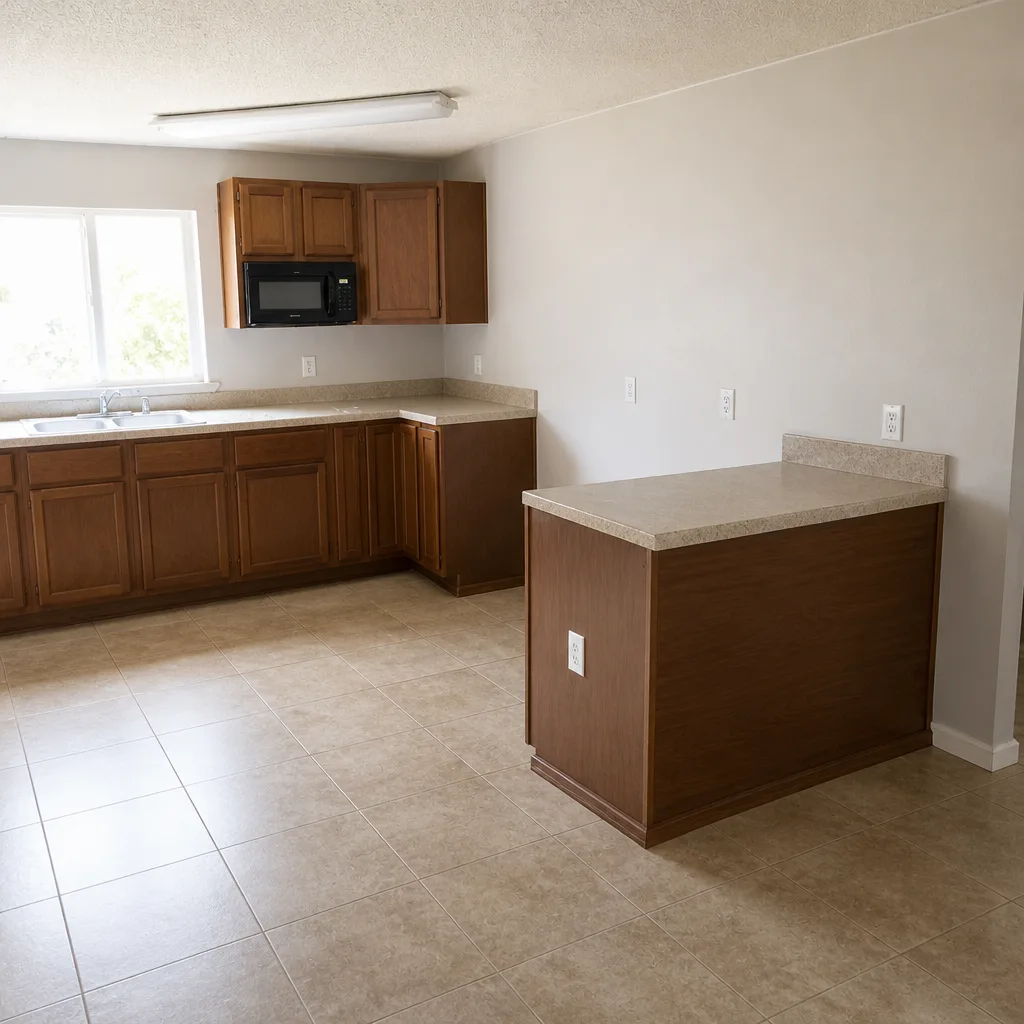
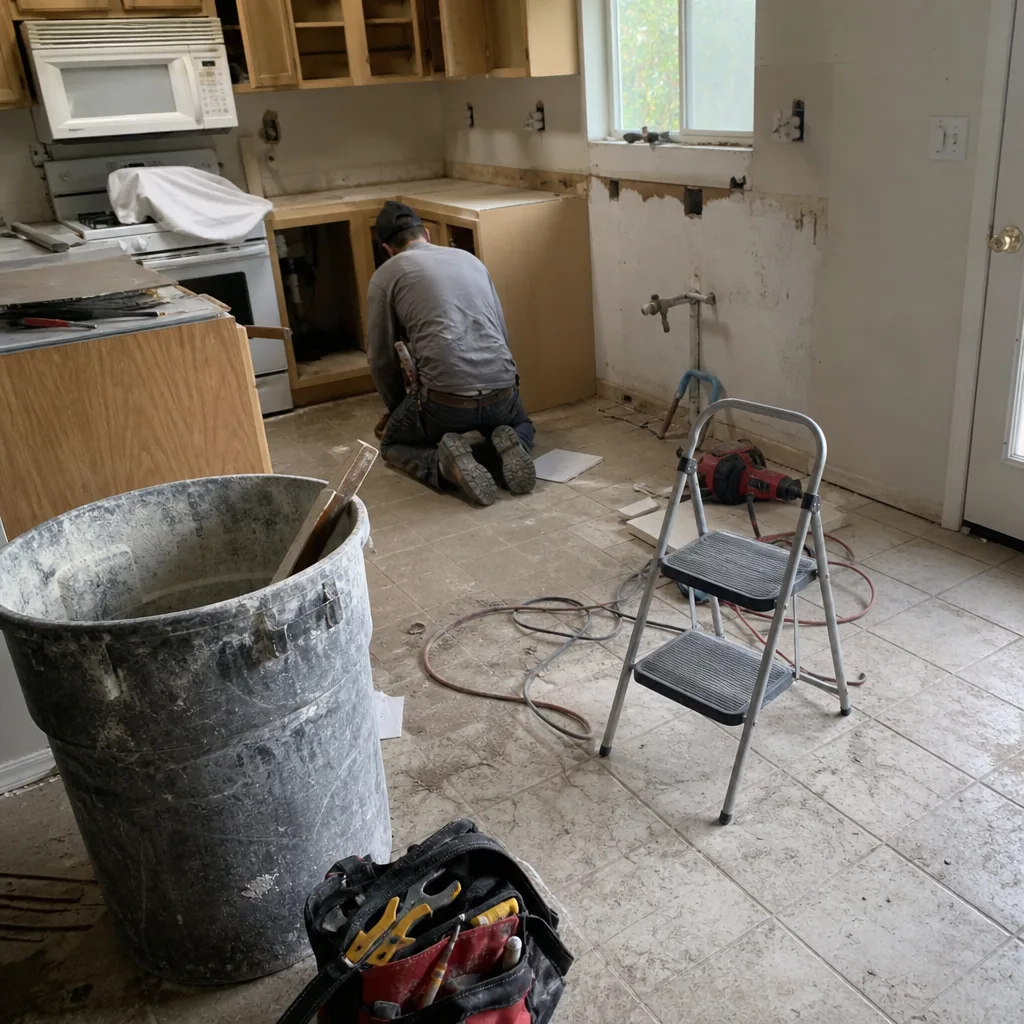
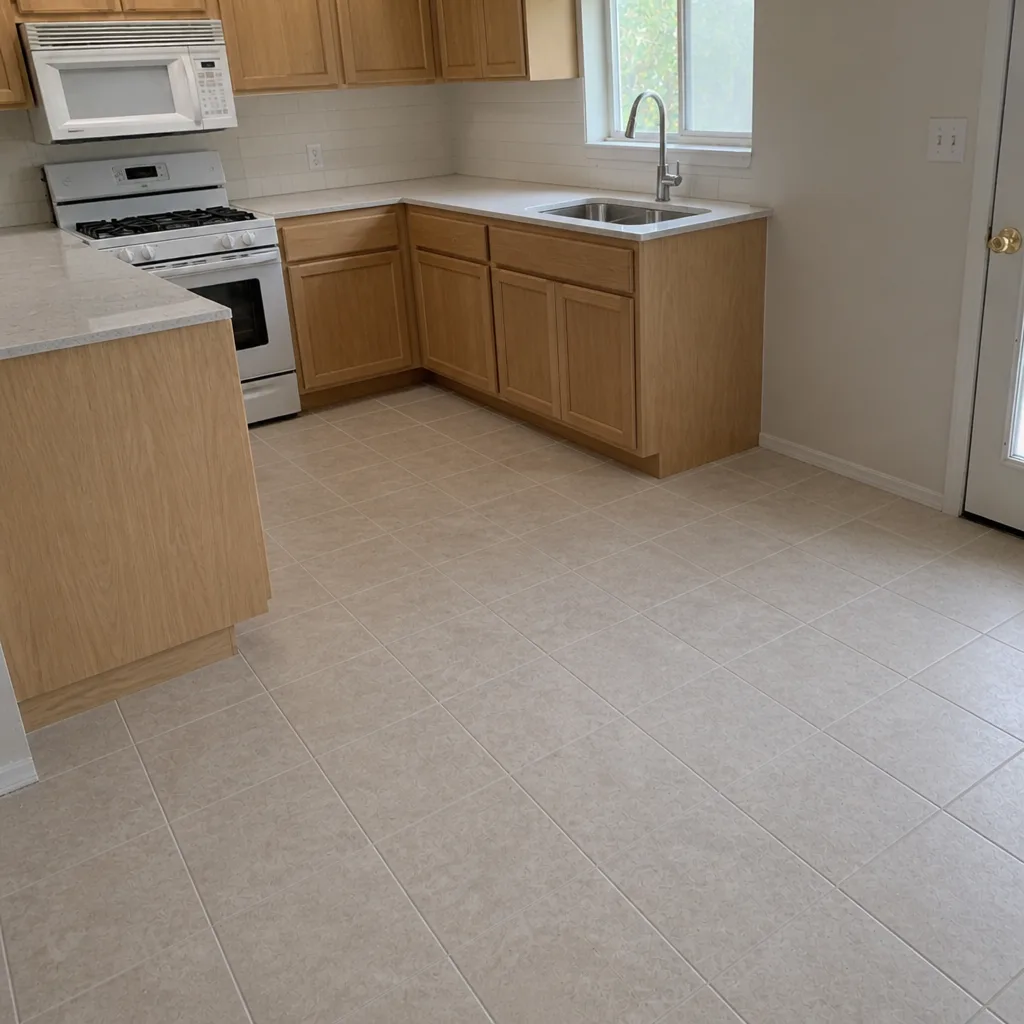
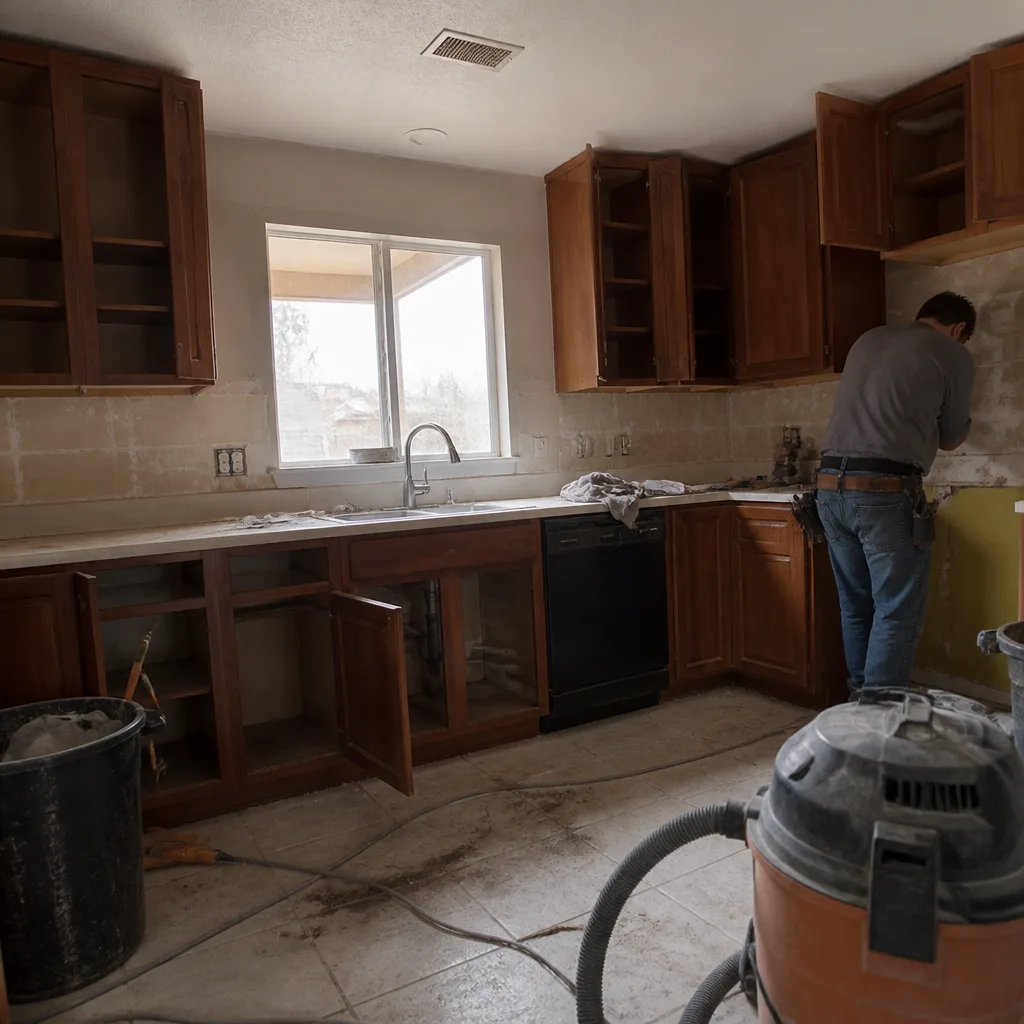
See the difference
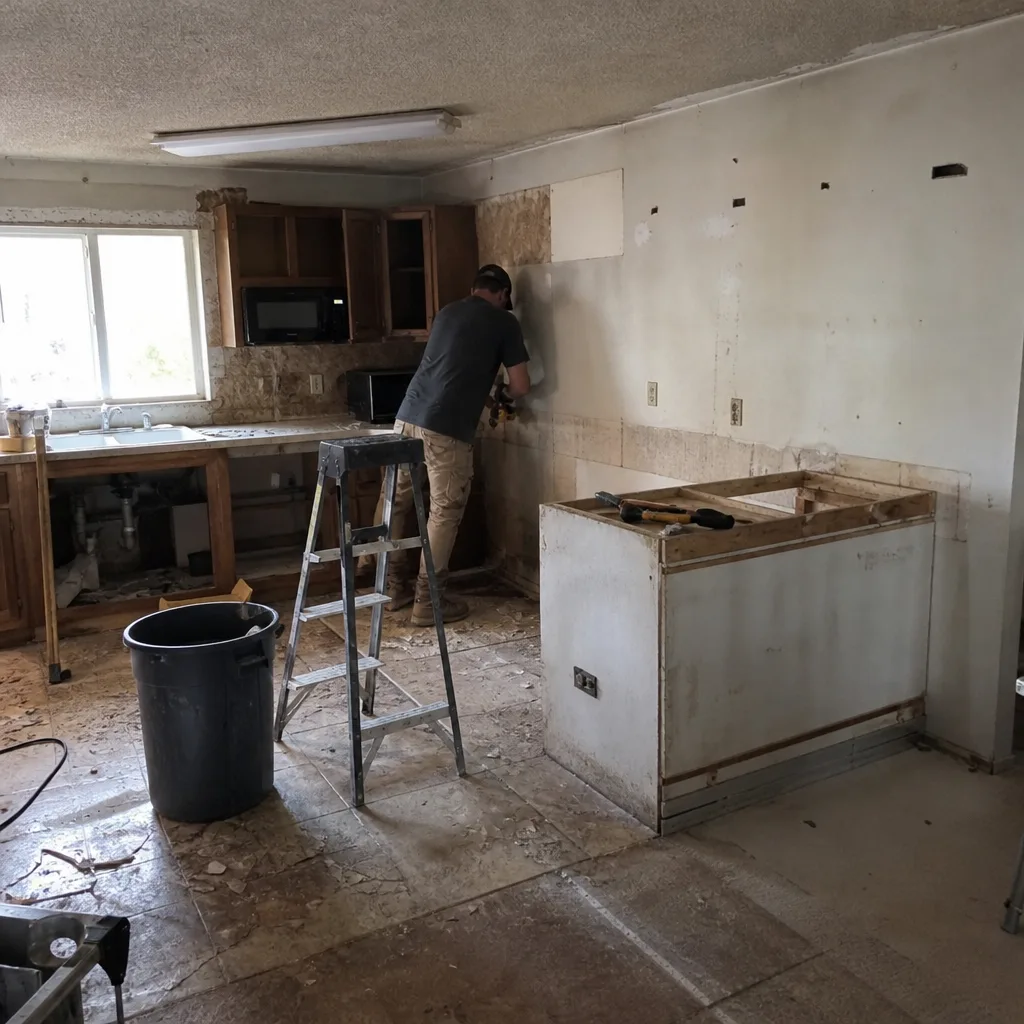 Before
 After
 Before
 After
 Before
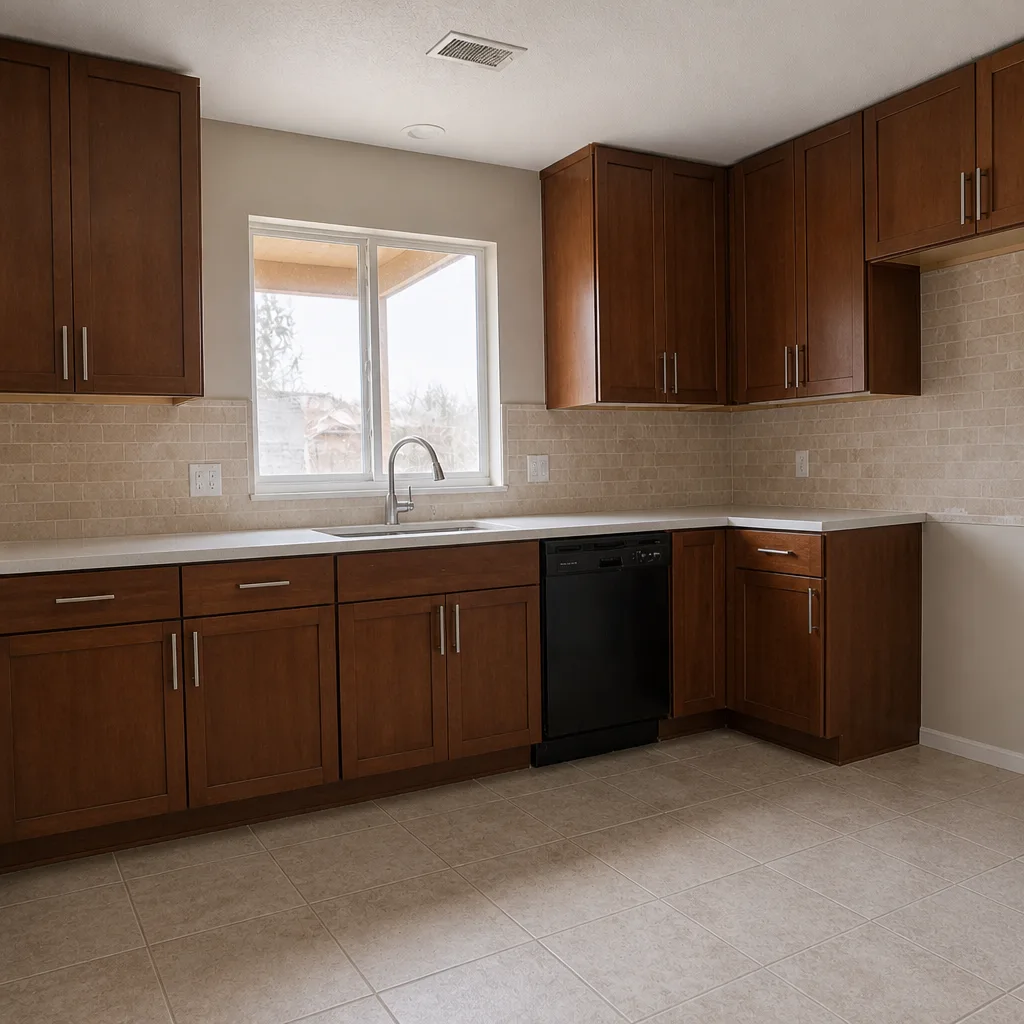 After
When to Call a Professional
There’s a point in every brand decision where the research stops helping and the installation questions take over. That’s when a professional conversation saves time and money: when you’ve shortlisted two or three cabinet brands but can’t verify their construction details, when you want a written line-item estimate rather than a lump sum, when you’ve selected a quartz brand and need to confirm slab-lot availability for future repairs, or when you’re ready to plan a full kitchen remodel from cabinets through countertops and fixtures. If any of those describe where you are, a free estimate will answer most of your remaining questions in one visit. Kitchen Remodeling Enterprise offers free estimates in Enterprise. Call (833) 522-7502 to schedule yours. We answer 24/7. Fast dispatch from 7am to 7pm, Sunday through Friday.
Frequently Asked Questions
Choose based on cabinet box construction, finish certification, and hardware brand before you choose color. Look for all-plywood boxes, KCMA-tested finishes, and identifiable drawer and hinge hardware. Then confirm the installer is an authorized dealer who can register the warranty. In Enterprise’s dry climate, box material matters more than most buyers expect, so ask for it in writing. Call (833) 522-7502 for product-specific guidance and a free estimate.
There’s no single best quartz brand – the right one depends on your warranty priorities and how likely a future repair is to need a matching slab. Cambria offers American-made quartz with a lifetime residential warranty, Silestone adds a bacteriostatic surface treatment, and Caesarstone offers a wide range of finishes and thicknesses with warranty terms that vary by series. Call (833) 522-7502 to talk through the specific series you’re considering.
KCMA certification means a cabinet line has been tested against a published set of performance standards – heat, cold, moisture, chemicals, and wear – rather than evaluated by a brochure claim. The certification applies to a specific tested product, so ask to see documentation for the line you’re considering. Any brand that carries it will produce the paperwork without hesitation. If a showroom can’t show it, ask why.
Buying through a contractor with a direct dealer account gives you trade pricing transparency, correct warranty registration at install, a service channel if a claim is needed, and installer familiarity with the manufacturer’s tolerances. Buying direct often leaves you responsible for installation compliance and warranty registration on your own. The cost difference is usually small; the service difference is not.
Permit requirements vary by jurisdiction and by the scope of the work, especially when plumbing or electrical is involved. Ask the local building department directly about your specific project, and ask your installer whether they pull the permits and handle inspections. A clear answer to both questions tells you how the project will be managed.
Timelines vary by the size of the kitchen, the brand lead times, and whether the countertop template has to happen after cabinets are set. A typical project runs several weeks from cabinet delivery to final countertop install, with cabinet lead time often the longest part. Get a schedule estimate in writing at the start, and confirm it against your planner. Call (833) 522-7502 for a scoped estimate with a timeline.
The Bottom Line
The right brand for your Enterprise kitchen is the one that passes four tests: all-plywood box construction, KCMA-tested finish, warranty terms you’ve actually read, and an installer who is an authorized dealer for the product. Choose cabinetry, countertops, and fixtures as one coordinated decision rather than three separate purchases, and pick a company that works on kitchens rather than everything. Our technicians have up to 10 years of experience with these product lines, and the written estimate is where the final price is set. Call (833) 522-7502 to schedule your free estimate. We answer 24/7. Fast dispatch from 7am to 7pm, Sunday through Friday. We’re closed Saturday.
Written by the team at Kitchen Remodeling Enterprise.